Let’s begin with a stat: By 2026, 60% of adults in the UK will garden at least once a month. This shows how gardening is becoming more popular, and people are enjoying their outdoor spaces more than ever.
A garden transformation about making your property look better and creating a space that fits your needs. Whether you’ve a small backyard or a large lawn, good landscaping can turn your garden into a relaxing retreat.
Revitalising your garden can also help the environment and save you money. By using eco-friendly methods and cost-effective practices, you can create a sustainable outdoor area that increases the value of your home.
At 21st Century Garden, we help you create an ideal outdoor area with our professional landscaping and garden care services in St Albans.
Before starting your project, take a good look at what you have. Decide what to keep, reuse, or remove safely to make sure you start right.
A successful garden renewal starts with a solid plan. Let’s look at the key steps to help you create a thriving outdoor space.
Key Steps to Start Garden Revival Project
Here are some key steps to start a garden revival project:
Step 1: Assess the Current State of Your Garden
Before making any changes, check what you already have in your garden. Walk around and look at the existing garden features.
Are there any plants you want to keep? Which structures, like fences, sheds, or patios, need repair or removal?
Take a close look at the soil, plants, and paved areas. Check older parts of the garden, such as cracked paving or worn decking, to see if they can be reused or are required to be replaced. Identify healthy plants that can be moved or divided, and those that are no longer useful.
Step 2: Clear the Space Responsibly
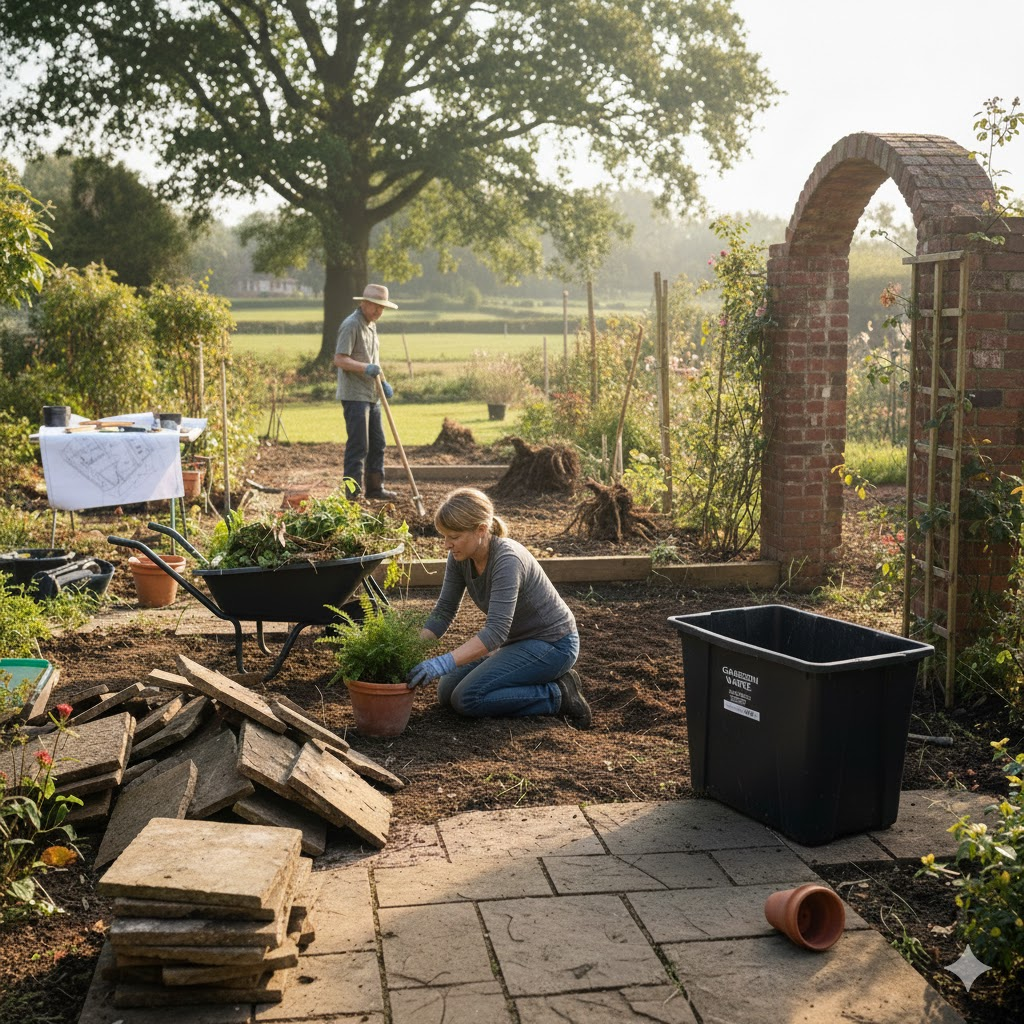
Preparing the garden area is often the most challenging part of bringing a garden back to life, but it is essential for getting ready for the next steps. Start by removing unwanted plants, dead leaves, and trash.
As part of preparing a garden for revival, many projects involve removing old paving, fencing, or damaged structures. Plan this stage properly. We recommend arranging organised waste removal via proskips to help keep the process efficient and ensure materials are handled responsibly from the outset.
Be sure to separate recyclable materials like wood, bricks, and metals to avoid adding waste to landfills.
Step 3: Plan Your Design
Now that the area is clear, it’s time to plan your garden design. A clear strategy will help guide your choices and keep your project on track. Consider the garden size and shape, as well as the amount of sunlight and shade it receives. These factors will influence the types of plants you can use.
Think about how to make the space practical. Determine where to place seating areas, walkways, and main features. You can sketch your ideas on paper or even use a garden design app like Garden Planner. These apps allow you to experiment with different size and plant arrangements.
If you’re looking to design your garden, then this visual guide will help you do so.
Step 4: Focus on Sustainable Gardening Practices
To create a sustainable garden, focus on methods that benefit the planet and make your garden easier to care for.
Choose native plants that thrive in your area. These plants need less water, resist pests better, and require fewer chemicals. Instead of using chemical pesticides, try natural alternatives or plant different species together to deter pests.
Also, work on improving your soil health. Composting is a great way to recycle garden waste while adding essential nutrients to the soil. When adding new plants, use organic fertilisers that are better for the environment.
Step 5: Prepare for Planting and Landscaping
After you finish your design and choose eco-friendly gardening methods, it’s time to get your garden ready for planting. First, check your soil to ensure it’s healthy. Depending on what you find, you may need to improve it with compost, sand, or other soil changes.
Drainage is key. Make sure your garden beds are raised or even have enough drainage to avoid water buildup. Well-drained gardens support healthy plant growth and prevent root decay.
For landscaping, choose materials that match your design. Gravel paths, natural stone borders, and wooden decking can add both structure and beauty to your garden while remaining eco-friendly.
Recent data from HTA illustrates that 62% of UK adults with a garden or outdoor space reported growing plants, trees, or flowers. Preparing your soil and planning your layout boosts the environment for your plants, improving biodiversity and ensuring a thriving garden.
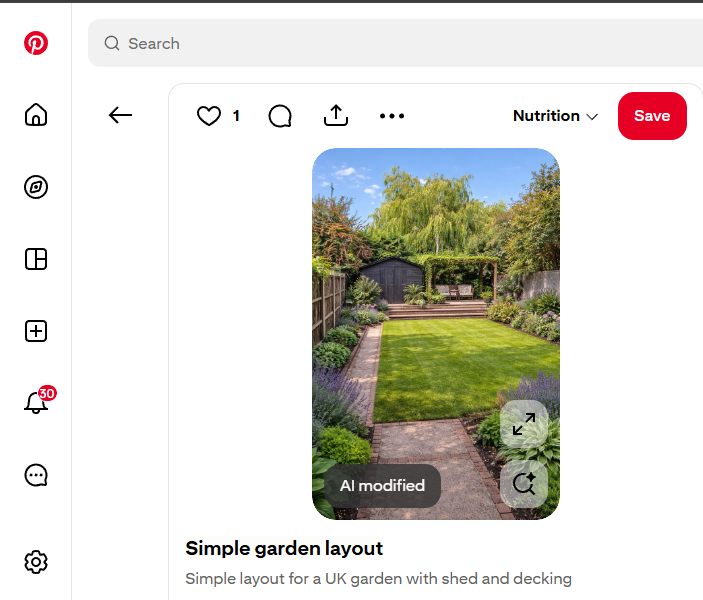
For inspiration, check out this Pinterest board where a simple layout for a UK garden is shown with shed and decking.
Conclusion
Starting a garden renewal project is an exciting journey that can transform your outdoor space. Firstly, evaluate your garden’s current state. Clear it out carefully and plan with sustainability in mind. This will set you up for long-term success.
A well-designed garden can enhance your home’s look and provide a calm space that boosts your well-being.
With thoughtful planning and attention to detail, your garden restoration can become a lasting change. Take your time, think about every part of your space, and soon you will have an outdoor area to enjoy for years to come.